


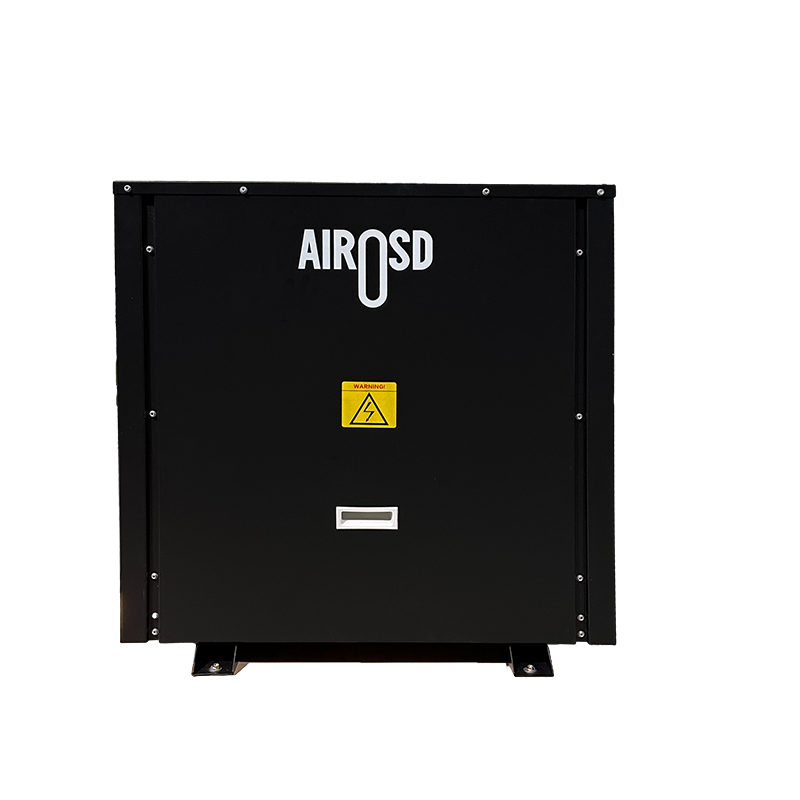
Water source heat pump and Ground source heat pump are two leading branches of modern heat pump technology. As heat pump technology advances, Water source heat pump and Ground source heat pump are driving more efficient, reliable and environmentally friendly heating and cooling solutions. Compared with the widely used air source heat pump and specialized Ultra-low temperature heat pump, Water source heat pump and Ground source heat pump show unique advantages in many scenarios. This article explains the working principles of Water source heat pump and Ground source heat pump, compares them with air source heat pump and Ultra-low temperature heat pump, and analyzes the promotion advantages of Water source heat pump and Ground source heat pump.
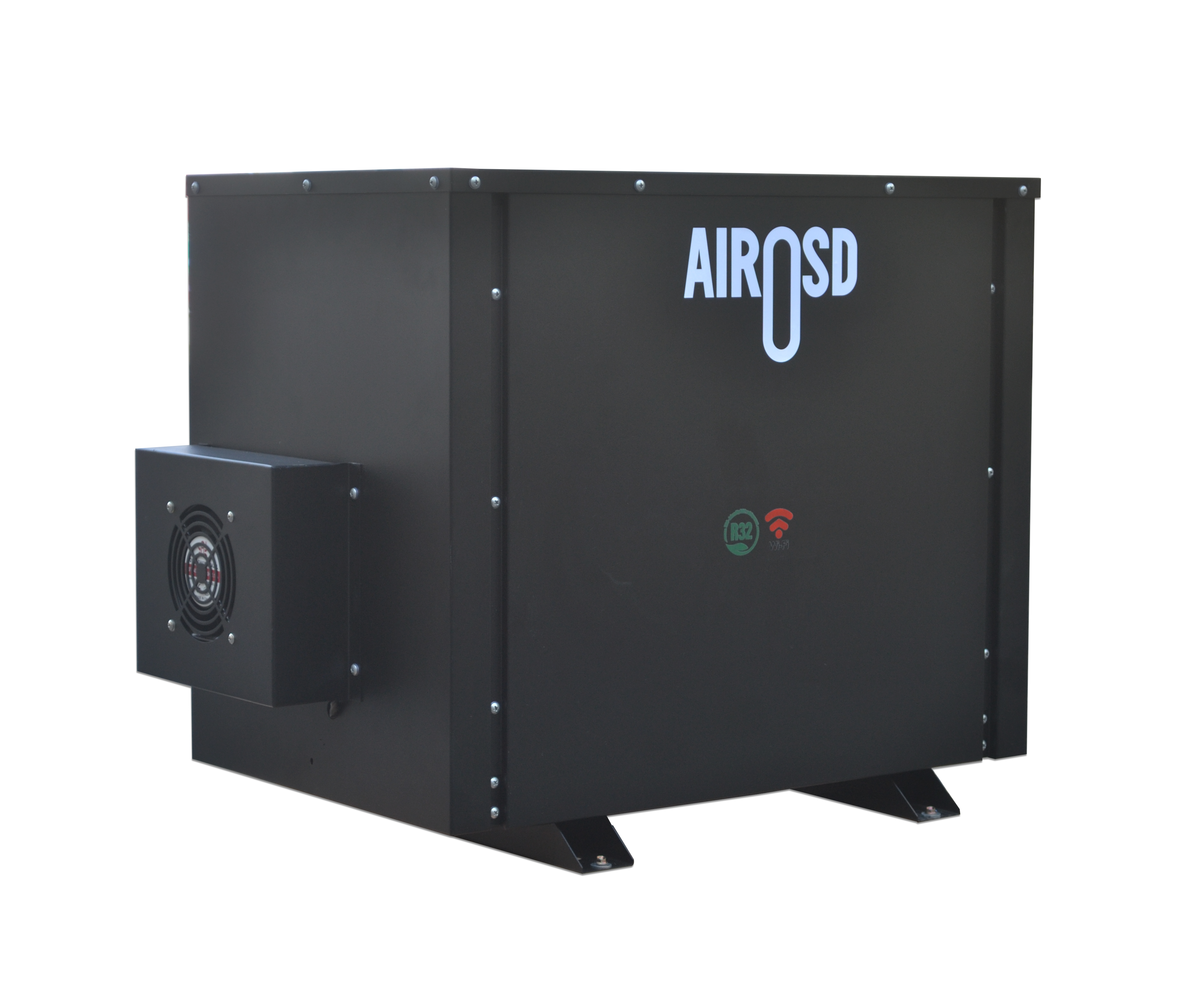
How a Water Source Heat Pump Works
A Water source heat pump transfers heat between water bodies and buildings using a standard refrigeration cycle. The Water source heat pump uses components such as an evaporator, compressor, condenser, and expansion valve to move heat. In heating mode, the Water source heat pump extracts heat from a lake, river, groundwater or treated wastewater through the evaporator. The Water source heat pump then raises refrigerant temperature via compression and releases heat indoors through the condenser. In cooling mode the Water source heat pump reverses the cycle, moving building heat into the water source. Because a Water source heat pump relies on water bodies with relatively stable temperatures, the Water source heat pump maintains higher efficiency and avoids many of the frost and performance-drop issues seen by an air source heat pump in cold weather. Combined with other renewables, a Water source heat pump can further improve overall system efficiency. Over time, Water source heat pump systems contribute to lower operational emissions and demonstrate the practical benefits of heat pump technology.
How a Ground Source Heat Pump Works
A Ground source heat pump relies on the earth’s stable subsurface temperature as its thermal reservoir. The Ground source heat pump circulates a heat transfer fluid through buried loops (horizontal trenches or vertical boreholes) to absorb heat from or reject heat to the ground. The Ground source heat pump then uses the refrigeration cycle—evaporator, compressor, condenser and expansion device—to provide heating or cooling to the building. Because the Ground source heat pump taps a stable ground temperature, the Ground source heat pump achieves consistently high performance throughout the year. Installation types vary, but both horizontal and vertical Ground source heat pump configurations are widely used in residential and commercial projects. The Ground source heat pump typically delivers long service life, lower running costs, and significantly reduced lifecycle emissions relative to conventional fossil-fuel systems.
Comparison with Air Source Heat Pump and Ultra-low Temperature Heat Pump
The air source heat pump is the most common heat pump variant, drawing heat from outdoor air. The air source heat pump is relatively easy and inexpensive to install, but the air source heat pump’s performance falls as outdoor temperatures drop, often requiring backup heating in cold climates. The Ultra-low temperature heat pump is a specialized air-based design intended for extreme cold and can extend the usable range of air-based systems; however the Ultra-low temperature heat pump often comes with higher equipment and operational costs. By contrast, Water source heat pump and Ground source heat pump benefit from the inherent thermal stability of water bodies and the ground, so both Water source heat pump and Ground source heat pump typically maintain higher coefficients of performance (COP) and lower auxiliary heating requirements. Continuous advances in heat pump technology help Water source heat pump and Ground source heat pump integrate with smart building systems and renewable energy sources.
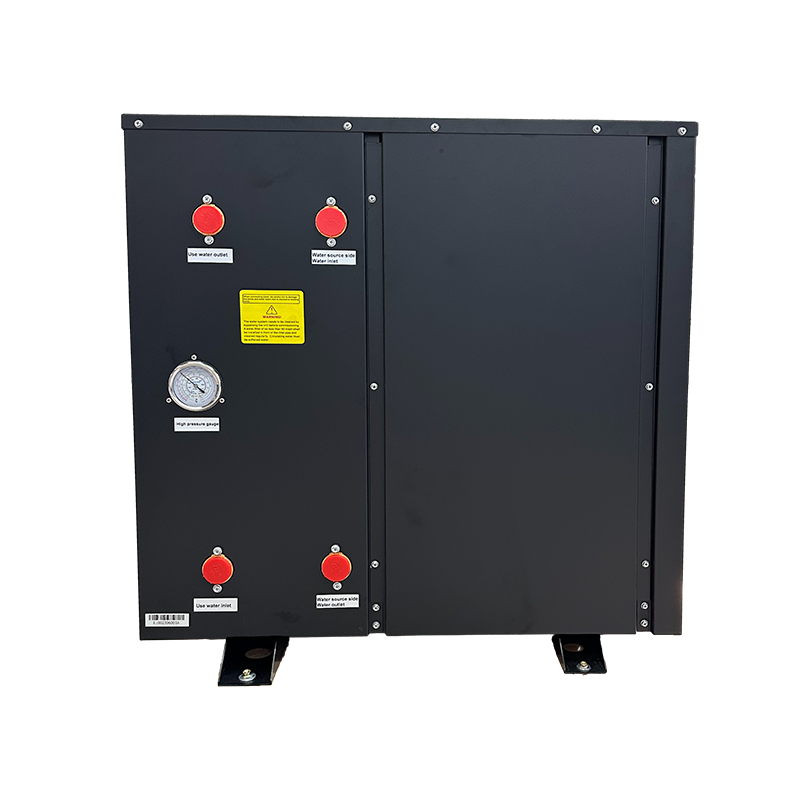
Promotion Advantages
Water source heat pump and Ground source heat pump offer several clear promotion advantages. First, both Water source heat pump and Ground source heat pump deliver high energy efficiency and lower operating costs because their heat sources maintain stable temperatures. Second, Water source heat pump and Ground source heat pump provide strong environmental benefits by reducing fossil fuel consumption and CO₂ emissions, aligning with sustainability goals. Third, Water source heat pump and Ground source heat pump show better reliability and longer lifetimes than many air-based systems; unlike an air source heat pump, Water source heat pump and Ground source heat pump are less affected by short-term weather extremes. Fourth, Water source heat pump and Ground source heat pump can be applied across residential, commercial and industrial scenarios when geographic and site conditions are suitable. Policy supports—such as subsidies and tax incentives—combined with improvements in heat pump technology further accelerate the adoption of Water source heat pump and Ground source heat pump. Even where Ultra-low temperature heat pump solutions are relevant, Water source heat pump and Ground source heat pump often yield better lifecycle economics in suitable locations.
Conclusion
Water source heat pump and Ground source heat pump represent mature, efficient, and low-carbon applications of heat pump technology. Where water resources or adequate subsurface space exist, Water source heat pump and Ground source heat pump should be prioritized because Water source heat pump and Ground source heat pump typically outperform an air source heat pump and often compare favorably against Ultra-low temperature heat pump solutions in lifecycle cost and reliability. Continued innovation in heat pump technology will further enhance Water source heat pump and Ground source heat pump performance and integration with renewable energy systems. Promoting Water source heat pump and Ground source heat pump is an effective strategy to support energy transition and sustainable building design.