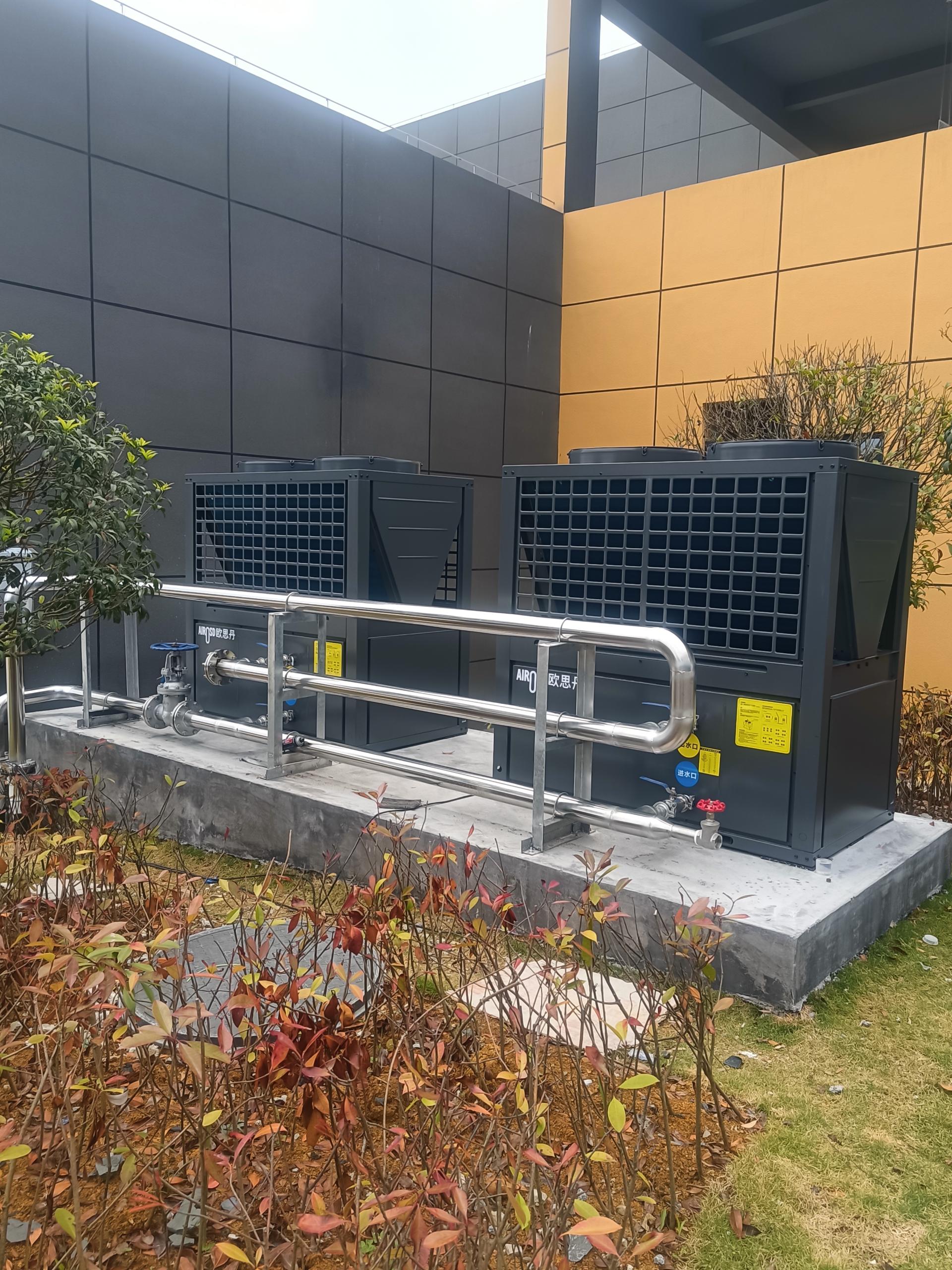
Where the unit sits
A monobloc heat pump keeps the whole refrigerant circuit outdoors in one box, and a monobloc heat pump needs no indoor unit. A split carries refrigerant lines to an indoor hydrobox, up to 75 m. The monobloc heat pump wins when distance does not force it, and loses on nothing else you can put a number on, which is not a small thing for a heat pump supplier to argue.
We have had customers arrive with a split where the installer charged refrigerant on site, and it was not right. A monobloc heat pump does not have that opening. Far fewer monobloc heat pump problems of that kind, because the sealed circuit is never opened by whoever fits it. When a heat pump supplier sends you a split, ask who signs off the charge.
The indoor unit is where a split earns its extra cost. It sits inside, usually in a utility room, and it is the part you can service without going outside in January, which some heat pump supplier quotes leave out entirely. It also means an extra box on the wall and a second set of connections, worth checking with any heat pump supplier before you compare quotations, and before you believe an air source heat pump is automatically cheaper.
What happens to the pipes
This decides the running cost. A monobloc heat pump heats the water outdoors and pushes it through insulated pipe to the tank, and every metre of that run loses heat. Put the unit 40 m out and you have bought a cold pipe and a bigger pump. A split avoids this, because refrigerant carries the energy.
We saw one project where a monobloc heat pump sat 30 m from the buffer tank because that was where the power supply was. It worked, but it never reached the numbers on the data sheet and nobody could explain why, which is not a good look for a heat pump. That conversation usually ends with the machine being blamed, though the air source heat pump was fine.
Distance also decides where the unit stands in winter, what the neighbours hear, and how much space is left for a buffer tank on site. When a monobloc heat pump is compared on price alone, all three get left out, and the monobloc heat pump price you end up holding is not the number the installer works to.
The refrigerant
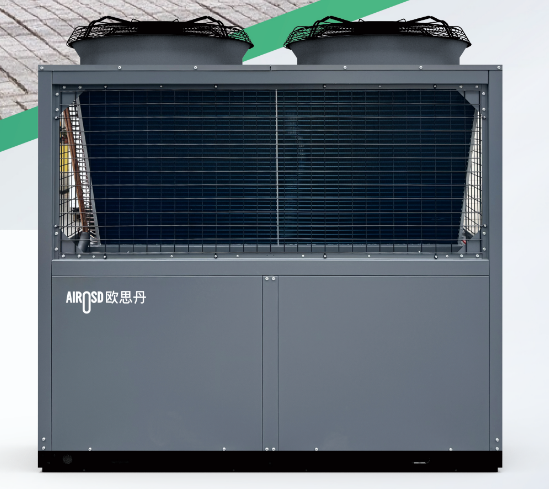
From 2027 the EU F-Gas Regulation caps heat pump refrigerants at GWP 150, which is why the R290 heat pump has taken over, and every R290 heat pump we build now uses it. An R290 heat pump in this class ships with the refrigerant factory charged, and the refrigerant is the same whichever format you buy, so an R290 heat pump is the default on anything new we build. Our R290 heat pump range runs 5 to 30 kW, and an R290 heat pump is what a heat pump supplier should be quoting now, which makes an R290 heat pump easy to specify.
What differs is who may open the system on site, and for an R290 heat pump that has a specific answer. A split has lines cut and brazed on site, and that work needs a certified technician on an R290 heat pump line, and that applies to every R290 heat pump we build and every R290 heat pump we quote for a customer. Every R290 heat pump delivered as a split carries the same refrigerant and a different labour cost, and the R290 heat pump itself is rarely the expensive part of the quote. When a heat pump supplier prices both ways, this is usually the largest line in the difference for an R290 heat pump.
The refrigerant an R290 heat pump is charged with at the factory is the one it runs on for fifteen years. A heat pump supplier who cannot tell you which one an R290 heat pump runs on has not read the data sheet, and that is a fair question to ask. It matters because an air source heat pump bought today and an R290 heat pump sold five years ago are not the same machine at all.
Noise and where the unit can go
The compressor and the fan sit outside in both cases, so this is not a monobloc heat pump against split argument, it is a siting argument. It separates a good installation from a bad one, and it is the complaint we hear most often after the first winter. Ask any heat pump supplier about it before the unit ships, and ask an air source heat pump installer there as well.
Distance to the nearest window matters more than most people expect. A unit three metres from a bedroom wall will be heard, and no specification changes that. Resilient mounts help, and so does a sound blanket on the frame, which is cheap and which almost nobody asks for on a monobloc heat pump at all. Any air source heat pump can be sited badly, and we have seen an air source heat pump go right outside a bedroom because the electrician ran the cable there first.
Where we land
Open yard, plant room nearby, ordinary cylinder: monobloc. Constrained site, listed building, radiators needing 60 °C: split. If you are still weighing an R290 heat pump against a split, say so and we will run the numbers for you.
Send us the site, the design temperature and the monobloc heat pump price you are working to, and we will say which way we would go, including where we push back on a monobloc heat pump and where the heat pump supplier was right. If you want a second opinion on a heat pump supplier quotation you already have, send that too, and we will tell you what an air source heat pump of that specification should cost.